Complete Fasteners Guide for Industrial and Construction Applications
Caliber Enterprise is a leading Fasteners Manufacturer in India. Fasteners are essential components used to join two or more parts securely. They are widely used in construction, engineering, automotive, machinery, oil and gas, power plants, and manufacturing industries.We produce different types of fasteners in various sizes, materials, grades, and finishes to meet industrial requirements. Choosing the right fastener is important because it affects the strength, safety, and service life of an assembly.
Posted 2 months ago in other, updated 2 months ago.
1. What Are Fasteners?
Fasteners are mechanical components used to hold parts together. Common examples include bolts, nuts, screws, studs, washers, and threaded rods. Unlike permanent joining methods such as welding, many fasteners can be removed when maintenance or replacement is required.
A professional Fasteners manufacturer normally manufactures products according to recognized specifications and customer requirements. Material selection depends on factors such as load, temperature, corrosion exposure, application, and installation conditions.
2. Common Types of Fasteners
Different applications require different fastening solutions. Some commonly used products include:
Hex Bolts: Hex bolts have a six-sided head and are commonly installed with a wrench or spanner. They are widely used in structural, machinery, fabrication, and general engineering applications.
Allen Cap Bolts: Allen Cap Bolts also known as socket head cap screws, these bolts have a hexagonal socket in the head. Their compact design makes them suitable for machinery and applications where space is limited.
Anchor Bolts: Anchor bolts are designed to connect structures or equipment to concrete foundations. They are frequently used for columns, steel structures, industrial equipment, and foundation installations.
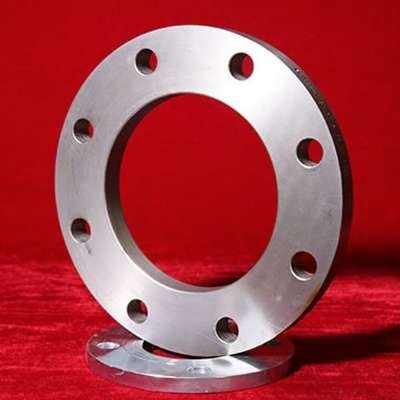
Washers: Washers are placed beneath bolt heads or nuts to distribute the load over a larger surface. They can also help protect the joined surface and improve the performance of a bolted connection.
Other products include nuts, threaded studs, U-bolts, carriage bolts, eye bolts, and special-purpose fasteners.
3. Materials Used for Fasteners
Fasteners are manufactured from different materials depending on the working environment. Stainless steel fasteners are commonly selected for applications where corrosion resistance is important. Carbon steel is widely used for general engineering and structural applications, while alloy steel can provide higher strength for demanding conditions.
The correct grade should be selected according to the required mechanical properties and applicable standards. Surface treatments such as galvanizing, zinc coating, and other finishes may also be used to improve corrosion resistance.
4. How to Select the Right Fastener?
Selecting a fastener should not be based only on size or price. Buyers should consider the material being joined, required strength, operating temperature, corrosion conditions, thread type, dimensions, and applicable standards.
It is also important to select compatible nuts and washers. For outdoor or corrosive environments, corrosion-resistant materials or protective coatings may be required. For heavy structural applications, the required strength grade and installation method should be checked before ordering.
5. Choosing a Reliable Fasteners Supplier
A dependable Fasteners Supplier should offer consistent product quality, accurate dimensions, suitable materials, and proper documentation. Buyers should check manufacturing capabilities, testing facilities, quality certifications, product standards, and delivery capacity before placing large industrial orders.
International buyers may also compare suppliers based on export experience, packaging, inspection documents, and the ability to meet specific technical requirements. For example, companies searching for a Bolt Manufacturer in USA may evaluate suppliers based on material traceability, standards compliance, quality testing, and delivery reliability.
6. Washers Weight Chart in Kg
A Washers Weight Chart in Kg can help buyers estimate the approximate weight of washers based on their size, thickness, material, and quantity. Weight information is useful for calculating packing requirements, transportation costs, and material quantities. However, actual weight can vary according to dimensions, material density, and manufacturing tolerances, so buyers should confirm the manufacturer's weight data before final calculations.
7. Frequently Asked Questions
What are the most common types of fasteners?
Bolts, nuts, screws, studs, washers, threaded rods, and anchor bolts are among the most commonly used fasteners.
Which fastener is suitable for concrete foundations?
Anchor bolts are commonly used to secure structures and equipment to concrete foundations.
Why are washers used with bolts?
Washers help distribute the load and can protect the surface under the bolt head or nut.
How should industrial fasteners be selected?
Consider material, size, strength grade, thread type, temperature, corrosion conditions, standards, and application requirements.
8. Conclusion
Fasteners play a major role in creating strong and dependable mechanical connections. From Hex Bolts and Allen Cap Bolts to Anchor Bolts and Washers, each product has a specific purpose. Working with an experienced manufacturer or supplier helps buyers select suitable products, materials, grades, and finishes for their applications. Proper selection and installation can improve connection strength, safety, durability, and overall project performance.
Your reaction?


More news

More lists