Industrial FRP Buyer’s Guide: Pipes, Sheets, Valves, Fittings, and Flanges Explained
Pipex.ai offers a wide range of high-quality FRP products designed to meet the demanding needs of industrial buyers.
Gönderildi 6 ay önce içinde diğer, güncellenmiş 6 ay önce.

1. Industrial FRP Buyer’s Guide: Pipes, Sheets, Valves, Fittings, and Flanges Explained
Pipex.ai offers a wide range of high-quality FRP products designed to meet the demanding needs of industrial buyers. Fiberglass Reinforced Plastic (FRP) has become a top choice for industries seeking reliable, corrosion-resistant, and cost-effective solutions. With applications across chemical processing, water treatment, marine projects, and construction, FRP products are versatile and long-lasting. For buyers, understanding the types of FRP products and their uses is crucial to making informed decisions and ensuring a successful investment.
What is FRP?
FRP is a composite material made by reinforcing plastic with fine glass fibers. This combination creates a product that is lightweight, strong, and resistant to corrosion and chemicals. Unlike traditional metals, FRP does not rust or degrade when exposed to harsh environments, making it ideal for industrial applications where durability and maintenance-free performance are critical.
Types of FRP Products
1. FRP Pipes
FRP pipes are widely used in industrial pipelines for transporting chemicals, water, and wastewater. Buyers prefer FRP pipes because they are:
Corrosion-resistant: Ideal for acids, alkalis, and saltwater systems.
Lightweight: Easier to handle and install compared to metal pipes.
Durable: Long service life reduces maintenance and replacement costs.
Available in various sizes and pressure ratings, FRP pipes also come in bends, tees, and other customized shapes, allowing buyers to design pipelines according to specific project requirements.
2. FRP Sheets
FRP sheets are versatile panels used for roofing, cladding, partitions, and protective barriers in industrial facilities. Key benefits for buyers include:
High impact strength and durability for long-lasting performance.
Corrosion and UV resistance ensures they withstand environmental wear.
Customizable sizes and thicknesses for a wide range of applications.
Selecting the right FRP sheet involves considering the resin type, thickness, and surface finish to match the intended use.
3. FRP Valves
Valves are essential components in piping systems, controlling the flow of liquids and gases. FRP valves are preferred for industrial projects due to:
Chemical resistance, making them suitable for aggressive fluids.
Reliable performance under various pressure and temperature conditions.
Low maintenance and long service life.
FRP valves are available in multiple types, including gate valves, ball valves, and butterfly valves, allowing buyers to choose based on flow control requirements.
4. FRP Fittings
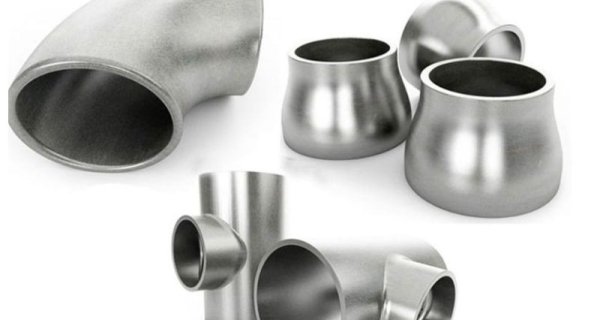
FRP Fittings like elbows, tees, reducers, and couplings connect FRP pipes, ensuring leak-free and efficient flow. Buyers should consider:
Compatibility with FRP pipe dimensions and pressure ratings.
Strength and durability to withstand industrial conditions.
Smooth interior surfaces to prevent flow obstruction and reduce wear.
High-quality FRP fittings ensure a robust and long-lasting piping system, minimizing operational disruptions.
5. FRP Flanges
Flanges connect pipes, valves, and other equipment while allowing easy assembly and disassembly. FRP flanges offer buyers:
Corrosion resistance for long-lasting connections.
Lightweight design that simplifies handling and installation.
Durability suitable for high-pressure industrial applications.
When selecting FRP flanges, buyers should check bolt patterns, pressure ratings, and resin types to ensure compatibility with the overall system.
Why Buyers Prefer FRP Products
FRP products offer industrial buyers several advantages over traditional materials like steel or PVC:
Long-term savings: Minimal maintenance and high durability reduce replacement costs.
Chemical and corrosion resistance: Perfect for harsh industrial environments.
Lightweight and easy to install: Saves labor time and installation costs.
Customizable: Tailored solutions for specific project needs.
These benefits make FRP products a smart investment for industries that require durable, efficient, and low-maintenance solutions.
Choosing the Right Supplier
For buyers, selecting a reliable FRP supplier is critical. A trustworthy supplier should offer:
Verified quality certifications for FRP materials.
A wide range of products including pipes, sheets, valves, fittings, and flanges.
Customization options for industrial-specific requirements.
Technical support and after-sales service for smooth operations.
Partnering with a reputable FRP supplier ensures buyers receive products that meet industry standards, perform reliably in demanding conditions, and provide excellent long-term value.
Conclusion
FRP products — including pipes, sheets, valves, fittings, and flanges — are indispensable in modern industrial applications. Buyers benefit from their corrosion resistance, durability, and low maintenance, making them a cost-effective alternative to traditional materials.
Understanding the types of FRP products and evaluating suppliers carefully helps buyers make informed decisions, ensuring long-term performance and reliability. Whether it’s for chemical plants, water treatment facilities, or marine projects, investing in high-quality FRP products ensures efficiency, safety, and durability across industrial operations.
Tepkiniz?


Daha fazla haber
Diğer listeler