Stainless Steel Sheet: A Practical Guide for Buyers Choosing the Right Grade
pipex.ai is a well-known platform in the industrial metal market, offering a wide range of stainless steel products used in construction, manufacturing, automotive, and engineering industries.
Gesendet 5 Monate vor im andere, aktualisiert 5 Monate vor.

1. Stainless Steel Sheet: A Practical Guide for Buyers Choosing the Right Grade
pipex.ai is a well-known platform in the industrial metal market, offering a wide range of stainless steel products used in construction, manufacturing, automotive, and engineering industries. Stainless steel sheets are among the most widely used materials because of their excellent strength, corrosion resistance, and durability. For buyers selecting stainless steel sheets, understanding different grades and their specific advantages is essential to ensure the right material is chosen for the intended application.
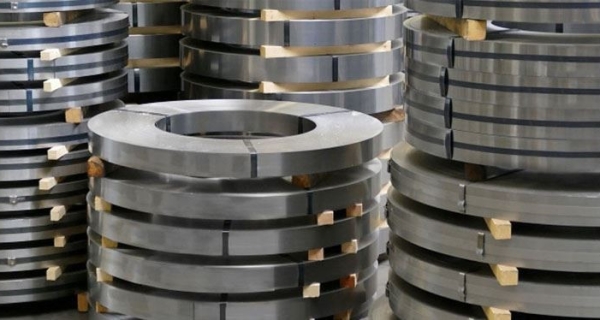
Stainless steel sheets are flat metal products manufactured through hot rolling or cold rolling processes and are available in different thicknesses, finishes, and alloy compositions. Buyers often prefer stainless steel sheets because they offer long service life, minimal maintenance, and strong resistance to oxidation and corrosion. Industries such as automotive manufacturing, kitchen equipment production, construction, and industrial fabrication rely heavily on stainless steel sheets due to their versatility and reliability. However, selecting the right grade is important because each grade provides unique properties suited for specific applications.
Factors Buyers Should Consider When Choosing Stainless Steel Sheets
From a buyer’s perspective, several factors should be considered before purchasing stainless steel sheets. One of the most important aspects is corrosion resistance, which determines how well the sheet can withstand exposure to moisture, chemicals, or extreme environments. Strength and durability are also critical factors, especially for structural or heavy-duty applications.
Another key consideration is formability and weldability. Some stainless steel grades are easier to shape and weld than others, making them more suitable for fabrication projects. Buyers also evaluate heat resistance, surface finish, and overall cost to ensure the selected material aligns with project requirements and long-term performance expectations.
Stainless Steel Sheet Grades
Stainless Steel 409L Sheet
Stainless steel 409L sheet is widely used in applications where moderate corrosion resistance and good mechanical strength are required. This grade is commonly used in the automotive industry, particularly for exhaust systems and structural components. Buyers prefer stainless steel 409L sheets because they offer excellent resistance to oxidation and can perform well in high-temperature environments. Additionally, this grade is relatively cost-effective compared to other stainless steels, making it a practical option for large-scale industrial use.
Stainless Steel 410 Sheet
Stainless steel 410 sheet belongs to the martensitic stainless steel family and is known for its high strength and hardness. This grade contains a higher level of carbon, which improves its mechanical properties. Buyers typically select stainless steel 410 sheets for applications requiring wear resistance and durability, such as valves, fasteners, and pump components. While it offers moderate corrosion resistance, its main advantage lies in its ability to be heat-treated to achieve greater strength and hardness.
Stainless Steel 430Ti Sheet
Stainless steel 430Ti sheet is a titanium-stabilized ferritic stainless steel grade that provides improved corrosion resistance and better weldability compared to standard 430 stainless steel. Buyers often choose this grade for applications where heat resistance and stability are required. Stainless steel 430Ti sheets are commonly used in automotive trim, exhaust systems, and decorative architectural components. The addition of titanium helps prevent intergranular corrosion, making it suitable for applications involving high temperatures or welding operations.
Stainless Steel 439 Sheet
Stainless steel 439 sheet is another ferritic stainless steel grade known for its excellent corrosion resistance and high-temperature performance. This grade is stabilized with titanium, which enhances its resistance to oxidation and stress corrosion cracking. Buyers frequently select stainless steel 439 sheets for automotive exhaust systems, heat exchangers, and industrial equipment. It also offers good formability and weldability, making it a reliable option for fabrication processes that require consistent performance.
Industrial Applications of Stainless Steel Sheets
Stainless steel sheets are widely used across many industries due to their durability and versatility. In the automotive sector, they are commonly used in exhaust systems, structural components, and heat-resistant parts. The construction industry uses stainless steel sheets for roofing, cladding, and structural panels because of their strength and resistance to environmental conditions.
In manufacturing and fabrication industries, stainless steel sheets are used for producing machinery parts, industrial equipment, and storage tanks. Their smooth surface finish and hygienic properties also make them suitable for food processing equipment, kitchen appliances, and medical instruments.
Conclusion
For buyers selecting stainless steel sheets, understanding the differences between grades such as stainless steel 409L, 410, 430Ti, and 439 is essential for making the right purchasing decision. Each grade offers specific benefits in terms of strength, corrosion resistance, and heat tolerance, allowing industries to choose materials that best suit their operational needs. By evaluating factors like durability, cost, and application requirements, buyers can ensure that the stainless steel sheets they select deliver reliable performance and long-term value across various industrial environments.
Deine Reaktion?