Understanding Stainless Steel Flanges: 317L, 321, 321H and 347 Explained
pipex.ai is a leading B2B platform that connects buyers with verified manufacturers and suppliers of stainless steel products across India and international markets.
Posted 7 months ago in other, updated 7 months ago.

1. Understanding Stainless Steel Flanges: 317L, 321, 321H and 347 Explained
pipex.ai is a leading B2B platform that connects buyers with verified manufacturers and suppliers of stainless steel products across India and international markets.
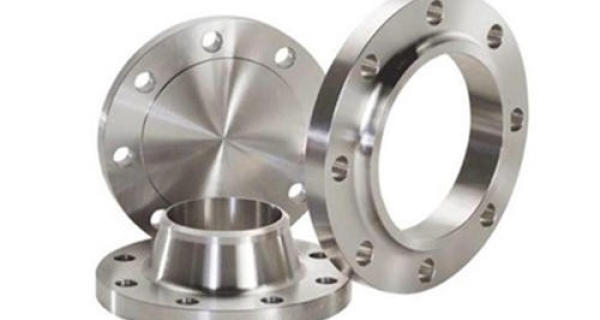
Stainless steel flanges are essential components in piping systems, designed to connect pipes, valves, pumps, and other equipment securely. Their popularity comes from excellent corrosion resistance, mechanical strength, and long service life. For buyers, selecting the correct flange grade is critical, as material composition directly affects performance, durability, and long-term value. Among the widely used grades, Stainless Steel 317L, 321, 321H, and 347 flanges stand out for their distinct metallurgical properties and reliability.
India has become a preferred sourcing destination for global buyers due to its strong manufacturing capabilities, adherence to international standards, and cost-effective production. Working with a reliable stainless steel flanges manufacturer in India ensures consistent quality, precise dimensions, and certified material traceability.
What Makes Stainless Steel Flanges Important
Stainless steel flanges are manufactured from chromium-rich alloys that form a protective oxide layer on the surface. This layer prevents rust and corrosion, even in challenging environments. These flanges are produced in compliance with ASTM, ASME, ANSI, and DIN standards, making them interchangeable and suitable for global projects.
From a buyer’s perspective, stainless steel flanges offer low maintenance, long operational life, and excellent compatibility with various piping systems. However, the key to maximizing these benefits lies in choosing the right grade.
Stainless Steel 317L Flanges Explained
Stainless Steel 317L flanges are an enhanced version of standard austenitic stainless steel grades. The low carbon content, indicated by the “L,” minimizes carbide precipitation during welding, which helps maintain corrosion resistance in welded structures.
This grade contains higher molybdenum content, improving resistance to pitting and crevice corrosion. As a result, buyers often prefer sourcing from a trusted stainless steel 317L flanges supplier in India, where manufacturers maintain strict quality control and offer flanges in a wide range of sizes and pressure classes. SS 317L flanges are valued for their durability, smooth surface finish, and long-term performance.
Stainless Steel 321 Flanges Explained
Stainless Steel 321 flanges are titanium-stabilized, which significantly improves resistance to intergranular corrosion. This stabilization prevents chromium carbide formation at grain boundaries, especially after exposure to high temperatures.
Because of this property, SS 321 flanges retain their mechanical strength and corrosion resistance over time. Many international buyers rely on stainless steel 321 flanges manufacturers in India for precision-machined products that meet stringent global standards. These flanges are also known for good weldability and excellent toughness, making them a dependable option for long-term installations.
Stainless Steel 321H Flanges Explained
Stainless Steel 321H flanges are similar to SS 321 but with a higher carbon content. The increased carbon improves high-temperature strength and creep resistance, making this grade suitable for systems that operate under continuous thermal stress.
From a procurement standpoint, sourcing from reliable stainless steel 321H flanges suppliers ensures that the chemical composition and mechanical properties meet specified requirements. SS 321H flanges maintain corrosion resistance while offering enhanced strength, making them a preferred choice for buyers seeking long-term material stability.
Stainless Steel 347 Flanges Explained
Stainless Steel 347 flanges are stabilized with niobium, also known as columbium. This stabilization provides excellent resistance to intergranular corrosion, particularly after welding or prolonged exposure to elevated temperatures.
Indian suppliers have extensive experience in manufacturing this grade, and stainless steel 347 flanges manufacturers in India are well regarded for their consistent quality and export-ready products. SS 347 flanges are known for their oxidation resistance, structural stability, and ability to maintain strength over extended service periods.
How Buyers Should Choose the Right Grade
Choosing between 317L, 321, 321H, and 347 stainless steel flanges depends on material requirements, operating conditions, and long-term performance expectations. Buyers should evaluate material test certificates, compliance with ASTM and ASME standards, and supplier reliability before finalizing procurement.
Indian manufacturers offer a strong combination of technical expertise, competitive pricing, and global compliance, making them a preferred choice for sourcing stainless steel flanges.
Conclusion
Understanding the differences between Stainless Steel 317L, 321, 321H, and 347 flanges helps buyers make informed purchasing decisions. Each grade offers unique advantages in terms of corrosion resistance, temperature tolerance, and mechanical strength. By sourcing from established manufacturers and suppliers in India, buyers can ensure consistent quality, reliable supply, and long-term value in stainless steel flange procurement.
Your reaction?


More news
More lists