Brass Round Bar: Properties, Uses, Sizes & Price
Whether you’re sourcing brass round bar for machining, sheet plates for architectural design, coil strips for industrial production, brass valves for plumbing, or wire mesh for filtration, brass products remain a cornerstone of modern manufacturing.
Posted 9 months ago in Technology, updated 2 months ago.

Brass remains one of the most versatile and widely used non-ferrous metals in manufacturing and industrial applications. In 2026, demand for brass products continues to grow due to their excellent mechanical properties, corrosion resistance, and aesthetic appeal. This guide covers everything you need to know about brass round bar, its properties, uses, sizes, and price trends, plus insights on other popular brass products like brass sheet plate, brass strip coil, brass valves, and brass wire mesh.
What Is Brass Round Bar?
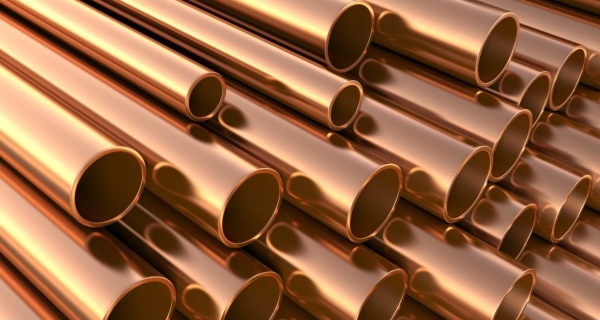
A brass round bar is a solid cylindrical metal bar made primarily of copper and zinc alloys. It’s prized for its machinability, strength, and corrosion resistance, making it ideal for components that require precision and durability. Brass round bars are widely used in industrial, architectural, and decorative applications.
Key Properties of Brass Round Bar
Brass round bars are chosen for a combination of valuable properties:
- High machinability – Easy to cut, drill, and shape.
- Corrosion resistance – Performs well in moist and marine environments.
- Excellent thermal and electrical conductivity – Suitable for electrical and heat exchange components.
- Good strength and durability – Reliable for mechanical parts.
- Aesthetic finish – Polishes well for decorative use.
Common grades include C360 (free-machining brass), C260 (cartridge brass), and C464 (naval brass), each offering specific performance characteristics.
Typical Sizes & Standards
Brass round bars are manufactured in a range of diameters to suit various applications:
- Small diameters: 3 mm to 20 mm
- Medium diameters: 20 mm to 100 mm
- Large diameters: 100 mm to 200 mm and above
Length can range from 1 metre to 6 metres, depending on mill and supplier standards. Most bars conform to ASTM B16 / B21 standards, ensuring consistent quality and mechanical performance.
Common Uses of Brass Round Bar
Brass round bars are used across multiple sectors:
- Machined components – Bushings, gears, valves, fittings
- Electrical connectors & terminals – Due to good conductivity
- Architectural hardware – Handles, knobs, decorative trims
- Marine equipment – Resistant to saltwater corrosion
- Automotive parts – Fasteners and mechanical linkages
Brass Round Bar Price Guide (2026)
Prices for brass round bars depend on several factors:
- Copper and zinc market rates – Raw metal prices influence cost.
- Alloy grade – Free-machining grades typically cost more.
- Diameter & length – Larger, longer bars cost more per piece.
- Global demand – Industrial demand affects pricing.
As of 2026, brass prices remain influenced by supply chain shifts and energy costs in major production regions. It’s best to check real-time quotes from suppliers for accurate pricing
Other Important Brass Products
1. Brass Sheet Plate
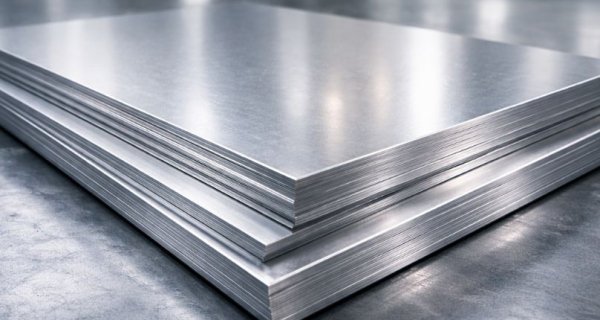
A brass sheet plate is a flat, thin brass metal widely used in architectural cladding, decorative panels, nameplates, and electrical applications. Available in thicknesses from 0.3 mm to 10 mm, brass sheets offer formability and visual appeal. They are ideal for applications requiring both strength and design aesthetics.
2. Brass Strip Coil
Brass strip coils are long, narrow coils of brass sheet used in stamping, bending, and forming processes. They provide material for:
- Electrical contacts
- Clips and terminals
- Precision components in automotive and electronics
Because they come in coils, manufacturers can feed them directly into automated presses for high-volume production.
3. Brass Valves
Brass valves are essential in plumbing, HVAC, and fluid systems. Their corrosion resistance and pressure handling capabilities make them a preferred choice for:
Check valves
Globe valves
Brass valves ensure reliability in both residential and industrial fluid control systems.
4. Brass Wire Mesh
Brass wire mesh consists of finely woven brass wires forming a grid. Its applications include:
- Filtration and separation systems
- Decorative screens
- Insect screens
- Electromagnetic shielding
Brass wire mesh is chosen for durability, flexibility, and excellent corrosion resistance.
Conclusion
Whether you’re sourcing brass round bar for machining, sheet plates for architectural design, coil strips for industrial production, brass valves for plumbing, or wire mesh for filtration, brass products remain a cornerstone of modern manufacturing. Understanding their properties, sizes, and price trends helps you make smarter buying decisions in 2026 and beyond.
Your reaction?