Alloy Steel Flanges: A Buyer’s Guide to Selecting the Right Grade for Industrial Applications
Pipex.ai helps buyers connect with trusted suppliers and manufacturers offering quality industrial products. Among the various options available, alloy steel flanges are widely preferred due to their strength, durability, and resistance to heat and corrosion.
نشر منذ 5 الشهور في آخر, محدث منذ 5 الشهور.

1. Alloy Steel Flanges: A Buyer’s Guide to Selecting the Right Grade for Industrial Applications
When sourcing piping components for high-pressure and high-temperature environments, choosing the right flange material is essential for long-term performance and safety. Pipex.ai helps buyers connect with trusted suppliers and manufacturers offering quality industrial products. Among the various options available, alloy steel flanges are widely preferred due to their strength, durability, and resistance to heat and corrosion.
Whether you are involved in power generation, petrochemical processing, oil and gas operations, or industrial manufacturing, understanding alloy steel flange grades can help you make a more informed purchasing decision. This guide explores the benefits of alloy steel flanges, their key grades, and important factors buyers should consider before procurement.
What Are Alloy Steel Flanges?
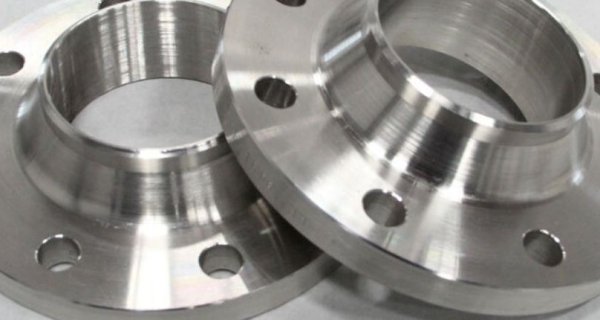
Alloy steel flanges are pipe connection components manufactured from steel combined with alloying elements such as chromium, molybdenum, nickel, and vanadium. These elements enhance the mechanical properties of the material, making it suitable for demanding industrial applications.
Flanges are used to connect pipes, valves, pumps, and other equipment, creating secure and leak-proof systems. Compared to standard carbon steel flanges, alloy steel flanges provide superior resistance to high temperatures, pressure fluctuations, wear, and corrosion.
As a result, they are commonly used in refineries, chemical plants, thermal power stations, offshore platforms, and heavy engineering industries.
Why Buyers Prefer Alloy Steel Flanges
Selecting the correct flange material directly impacts operational efficiency and maintenance costs. Buyers often choose alloy steel flanges because of several advantages:
Excellent strength under high-pressure conditions
Superior resistance to elevated temperatures
Improved corrosion and oxidation resistance
Long service life in aggressive environments
Reduced maintenance and replacement requirements
Compatibility with critical industrial systems
These benefits make alloy steel flanges a cost-effective solution for projects requiring reliable performance over extended periods.
Alloy Steel F1 Flanges
Alloy Steel F1 Flanges are designed for moderate-temperature and pressure applications. This grade offers dependable mechanical strength and weldability, making it suitable for general industrial piping systems.
Many industries select this material because it provides a balance between performance and cost. It is commonly used in process piping, pressure vessels, and equipment handling non-corrosive fluids.
When looking for an alloy steel F1 flanges supplier, buyers should verify material certifications, dimensional accuracy, and compliance with relevant ASTM specifications.
Alloy Steel F2 Flanges
Alloy Steel F2 Flanges provide improved mechanical properties and enhanced performance in demanding operating conditions. These flanges are engineered to withstand stress and pressure while maintaining structural integrity.
Industries such as power generation and petrochemicals frequently utilize this grade due to its durability and reliability. The material performs well in systems exposed to elevated temperatures and continuous operation.
Choosing an experienced alloy steel F2 flanges exporter ensures access to products that meet international quality standards and project requirements.
Alloy Steel F9 Flanges
Alloy Steel F9 Flanges contain chromium and molybdenum, providing excellent resistance to oxidation and high-temperature environments. These flanges are often selected for applications involving steam lines, boilers, and heat-processing equipment.
The material offers enhanced creep resistance and maintains strength even under prolonged thermal exposure. This makes it an ideal choice for industries where operational reliability is critical.
Working with a reputable alloy steel F9 flanges dealer helps buyers obtain authentic products with proper traceability and testing documentation.
Alloy Steel F22 Flanges
Among the most widely used alloy grades, Alloy Steel F22 Flanges are recognized for their exceptional strength, heat resistance, and long-term durability. The chromium-molybdenum composition enables the material to perform efficiently in high-temperature and high-pressure applications.
These flanges are extensively used in power plants, refineries, and petrochemical facilities where equipment operates under severe conditions. Their resistance to thermal fatigue and stress cracking contributes to extended service life.
A trusted alloy steel F22 flanges stockist can provide a broad inventory range, helping buyers source the required dimensions and pressure classes without delays.
Factors Buyers Should Consider Before Purchasing
Selecting the right alloy steel flange involves more than choosing a grade. Buyers should evaluate several factors to ensure the product meets operational requirements.
Application Environment
Understand the operating temperature, pressure, and media being transported. Different grades are designed to perform under specific conditions.
Material Certification
Always request mill test certificates and quality documentation to verify chemical composition and mechanical properties.
Flange Type
Determine whether the application requires weld neck, slip-on, socket weld, threaded, lap joint, or blind flanges.
Industry Standards
Ensure the flanges comply with ASTM, ASME, ANSI, and other applicable standards.
Supplier Reliability
Partnering with an experienced alloy steel flanges manufacturer can improve product quality, delivery timelines, and technical support.
Industries That Use Alloy Steel Flanges
Due to their strength and versatility, alloy steel flanges are used across multiple industrial sectors, including:
Oil and gas processing
Petrochemical plants
Thermal and nuclear power stations
Chemical manufacturing facilities
Water treatment systems
Marine and offshore operations
Heavy engineering projects
Industrial fabrication units
Their ability to withstand harsh operating environments makes them an essential component in critical infrastructure projects.
Conclusion
For buyers seeking reliable piping solutions, alloy steel flanges offer an excellent combination of strength, durability, and resistance to demanding operating conditions. Understanding the characteristics of alloy steel F1 flanges, alloy steel F2 flanges, alloy steel F9 flanges, and alloy steel F22 flanges can help organizations select the most suitable material for their applications. Whether you are sourcing products from an alloy steel flanges manufacturer, an alloy steel F1 flanges supplier, an alloy steel F2 flanges exporter, an alloy steel F9 flanges dealer, or an alloy steel F22 flanges stockist, prioritizing quality, certification, and supplier credibility will ensure better project outcomes and long-term operational reliability.
ردة فعلك؟


المزيد من الأخبار