Forged Fittings Buying Guide: Types, Applications & How to Choose the Right Supplier
At Pipex.ai, buyers can explore a wide range of forged fittings that are designed to meet demanding industrial requirements.
Gesendet 6 Monate vor im andere, aktualisiert 6 Monate vor.

1. Forged Fittings Buying Guide: Types, Applications & How to Choose the Right Supplier
When it comes to industrial piping systems, selecting the right components is essential for performance, safety, and long-term reliability. At Pipex.ai, buyers can explore a wide range of forged fittings that are designed to meet demanding industrial requirements. Whether you are working in oil & gas, petrochemical, or construction, understanding forged fittings helps you make informed purchasing decisions.
What Are Forged Fittings?
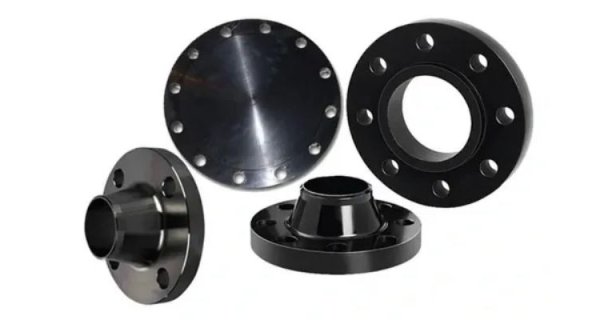
Forged fittings are manufactured using a forging process where metal is shaped under high pressure. This process improves the strength, durability, and structural integrity of the fittings. Compared to cast fittings, forged fittings offer better performance in high-pressure and high-temperature environments.
Choosing a reliable forged fittings manufacturer ensures that you receive products that meet industry standards and deliver consistent performance in critical applications.
Types of Forged Fittings
Buyers should be familiar with different types of forged fittings to select the right product for their specific application.
Cross Forged Fittings
Cross forged fittings are used to connect four pipes in a piping system, allowing flow in multiple directions. These fittings are ideal for complex pipeline networks where distribution is required at different angles.
A trusted cross forged fittings supplier provides accurate dimensions and strong fittings that ensure smooth and secure connections.
Reducer Forged Fittings
Reducer forged fittings are used to connect pipes of different sizes. They help control the flow of fluids by reducing or expanding the pipe diameter.
Working with a reliable reducer forged fittings exporter ensures that the fittings maintain strength and efficiency even under varying pressure conditions.
End Cap Forged Fittings
End cap forged fittings are designed to close the end of a pipe. They prevent leakage and protect the pipeline from external contaminants.
An experienced end cap forged fittings dealer offers high-quality fittings that provide tight sealing and long service life.
Nipple Forged Fittings
Nipple forged fittings are short pipe sections with threads on both ends, used to connect two other fittings or pipes. They are commonly used for extending pipe connections.
A dependable nipple forged fittings stockist supplies a variety of sizes and threading options suitable for different industrial needs.
Applications of Forged Fittings
Forged fittings are widely used across industries due to their strength and reliability. Some key applications include:
Oil and Gas Industry
Petrochemical Plants
Power Generation Units
Water Treatment Systems
Marine and Offshore Projects
These fittings are preferred in industries where pressure handling and leak-proof performance are critical.
Key Benefits for Buyers
From a buyer’s perspective, forged fittings offer several important advantages:
High Strength and Durability: Ideal for high-pressure applications
Leak-Proof Connections: Ensures system safety and efficiency
Long Service Life: Reduces maintenance and replacement costs
Wide Range of Options: Available in multiple sizes, materials, and configurations
These benefits make forged fittings a cost-effective and reliable choice for industrial piping systems.
Material Grades and Standards
Buyers should always check the material grade and standards before purchasing forged fittings. Common materials include:
Stainless Steel (SS304, SS316)
Carbon Steel
Alloy Steel
Industry standards such as ASTM A105, ASTM A182, and ASME B16.11 ensure product quality and compatibility with global piping systems. Selecting the right grade depends on factors like temperature, pressure, and the type of fluid being handled.
How to Choose the Right Supplier
Choosing the right supplier is just as important as selecting the right product. Here are some key factors buyers should consider:
Product Quality: Ensure the supplier follows international standards
Material Availability: Look for a wide range of grades and sizes
Industry Experience: Experienced suppliers understand application requirements
Timely Delivery: Important for project deadlines
Customer Support: Reliable after-sales service and technical support
Working with a trusted supplier helps ensure consistency, reliability, and long-term performance.
Conclusion
Forged fittings play a crucial role in maintaining the efficiency and safety of industrial piping systems. Understanding the different types—such as cross forged fittings, reducer forged fittings, end cap forged fittings, and nipple forged fittings—helps buyers select the right components for their needs.By focusing on quality, material grades, and supplier reliability, buyers can ensure they invest in durable and efficient piping solutions. A well-informed decision not only improves system performance but also reduces operational risks and long-term costs.
Deine Reaktion?