Forged Fittings for Reliable Piping Systems: A Buyer's Guide to Strength, Performance, and Long-Term Value
pipex.ai understands that industrial buyers look for products that offer durability, dimensional accuracy, and long service life while meeting international standards.
Posted 4 months ago in other, updated 4 months ago.

1. Forged Fittings for Reliable Piping Systems: A Buyer's Guide to Strength, Performance, and Long-Term Value
When it comes to building safe and efficient piping systems, choosing high-quality forged fittings is one of the most important decisions for buyers across industries. pipex.ai understands that industrial buyers look for products that offer durability, dimensional accuracy, and long service life while meeting international standards. Whether used in oil and gas, chemical processing, power generation, or water treatment plants, forged fittings provide dependable performance under demanding operating conditions.
As a trusted Forged fitting manufacturer, suppliers focus on delivering fittings that can withstand high pressure, extreme temperatures, and corrosive environments. This guide will help buyers understand forged fittings, their common types, and the key factors to consider before making a purchase.
What Are Forged Fittings?
Forged fittings are piping components manufactured through a forging process in which metal is shaped under high pressure to create strong and dense products. This process refines the grain structure of the material, resulting in improved mechanical properties and enhanced resistance to fatigue and impact.
These fittings are commonly available in threaded and socket weld ends and are widely used in small-bore piping systems where reliability and leak-free performance are essential. Buyers prefer forged fittings because they offer excellent strength, precise dimensions, and longer service life compared to many alternative piping components.
Why Buyers Prefer Forged Fittings
For industrial buyers, quality and performance are top priorities. Forged fittings offer several advantages that make them a preferred choice:
High mechanical strength and durability
Excellent resistance to pressure and temperature variations
Leak-proof connections for critical applications
Superior dimensional accuracy
Reduced maintenance requirements
Longer operational life and lower replacement costs
These benefits help businesses improve operational efficiency and reduce downtime, making forged fittings a cost-effective investment.
Tee Forged Fitting
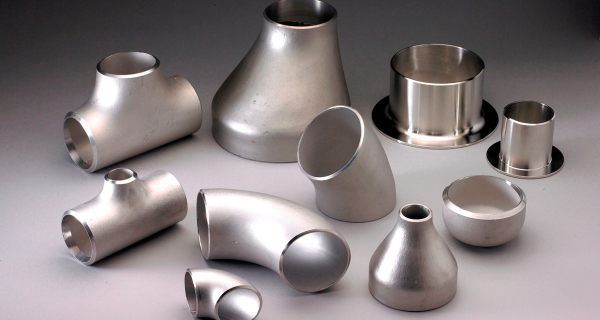
One of the most commonly used forged fittings is the tee forged fitting. It is designed to connect three sections of pipe, allowing the flow of fluids to branch in different directions. These fittings are widely used in chemical plants, refineries, power stations, and process industries.
A high-quality tee forged fitting ensures smooth flow distribution and excellent pressure handling capabilities. Buyers should look for products manufactured according to international standards to ensure compatibility and reliable performance in demanding environments.
Working with an experienced tee forged fitting supplier ensures access to a wide range of sizes, pressure classes, and material grades suitable for different industrial applications.
Coupling Forged Fitting
Coupling forged fittings are used to connect two pipes securely and efficiently. They are ideal for extending pipelines or repairing damaged pipe sections while maintaining a strong and leak-proof connection.
These fittings are available in full coupling and half coupling designs, allowing buyers to select the most suitable option for their specific requirements. Industries prefer forged couplings because they provide excellent structural integrity and withstand harsh operating conditions.
Choosing a reliable coupling forged fitting exporter is important for buyers seeking internationally accepted products with consistent quality and precise dimensions.
Elbow Forged Fitting
Elbow forged fittings are designed to change the direction of fluid flow within a piping system. They are commonly available in 45-degree and 90-degree configurations and are widely used in industries that require compact and efficient piping layouts.
The primary advantage of elbow forged fittings is their ability to redirect flow without significantly affecting system performance. Their forged construction provides exceptional strength and resistance to pressure, making them suitable for high-performance industrial applications.
A trusted elbow forged fitting dealer offers elbows in various materials, pressure ratings, and end connections to meet the needs of diverse industries.
Bushing Forged Fitting
Bushing forged fittings are used to connect pipes of different sizes by reducing the larger threaded opening to a smaller one. These fittings are essential in systems where size transitions are required while maintaining secure and reliable connections.
Bushings are valued for their compact design, easy installation, and excellent durability. They are widely used in industrial piping networks, hydraulic systems, and process equipment where space efficiency is important.
Partnering with an experienced bushing forged fitting stockist helps buyers obtain high-quality bushings that meet industry specifications and provide dependable long-term performance.
Important Factors Buyers Should Consider
Before purchasing forged fittings, buyers should evaluate several important factors to ensure they select products that meet their operational requirements:
Material Selection
The material should be chosen according to the operating environment. Common materials include stainless steel, carbon steel, alloy steel, duplex steel, and nickel alloys. The right material improves corrosion resistance and extends service life.
Pressure and Temperature Ratings
Buyers should verify that forged fittings can withstand the operating pressure and temperature conditions of their systems. Proper ratings help ensure safety and reliable performance.
Compliance with Standards
High-quality forged fittings should comply with recognized standards such as ASME and ASTM specifications. Standard-compliant products offer better interchangeability and quality assurance.
Dimensional Accuracy
Precision manufacturing ensures proper fitment, easy installation, and leak-free operation. Buyers should choose fittings produced with strict quality control measures.
Supplier Reliability
Selecting an experienced manufacturer or supplier is essential for obtaining consistent product quality, timely delivery, and technical support.
Applications of Forged Fittings
Forged fittings are used extensively across many industries, including:
Oil and gas processing plants
Petrochemical industries
Power generation facilities
Chemical processing plants
Water treatment systems
Marine and offshore applications
Pharmaceutical manufacturing
Food and beverage industries
Their ability to perform under challenging operating conditions makes them an essential part of modern industrial piping systems.
Conclusion
From tees and couplings to elbows and bushings, forged fittings play a critical role in ensuring the safety, efficiency, and durability of industrial piping systems. Buyers looking for long-lasting performance should focus on factors such as material quality, manufacturing standards, pressure ratings, and supplier expertise.
Your reaction?