Industrial Flanges: A Complete Buyer’s Guide to Types, Uses, and Selection
When sourcing reliable piping components, pipex.ai stands out as a trusted platform where buyers can explore high-quality industrial products with confidence.
Posted 4 months ago in other, updated 4 months ago.

1. Industrial Flanges: A Complete Buyer’s Guide to Types, Uses, and Selection
When sourcing reliable piping components, pipex.ai stands out as a trusted platform where buyers can explore high-quality industrial products with confidence. Among these components, flanges play a critical role in ensuring secure, leak-proof, and efficient piping systems across industries.
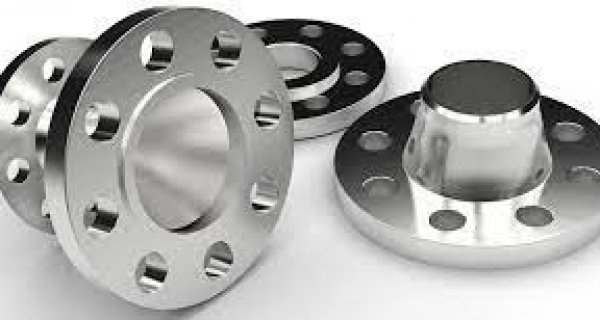
Flanges are essential mechanical components used to connect pipes, valves, pumps, and other equipment. For buyers, selecting the right flange is not just about compatibility—it directly impacts system performance, safety, and long-term maintenance costs. Understanding different flange types and their applications helps in making informed purchasing decisions.
What Are Flanges and Why Do Buyers Need Them?
Flanges are typically forged or cast rings that allow easy assembly and disassembly of piping systems. They provide flexibility in maintenance and ensure strong connections under varying pressure and temperature conditions.
From a buyer’s perspective, choosing the right flange means:
Ensuring durability and strength
Meeting industry standards and certifications
Reducing leakage risks and downtime
Achieving cost-effective installation and maintenance
Working with a reliable Flanges manufacturer ensures consistent quality, proper material selection, and adherence to global standards.
Types of Flanges Every Buyer Should Know
1. Pad Flange
Pad flanges are widely used in pipeline systems where branch connections are required. They are compact and provide reinforcement to the pipe, making them ideal for high-pressure applications.
For buyers looking for efficiency and durability, sourcing from a trusted pad flange supplier ensures:
Strong branch connections
Reduced welding complexity
Long service life in demanding environments
Pad flanges are commonly used in oil & gas, petrochemical, and power industries.
2. Copper Flange
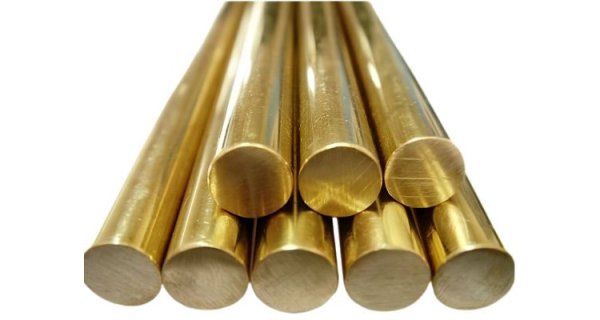
Copper flanges are preferred for applications requiring excellent corrosion resistance and thermal conductivity. They are widely used in plumbing, HVAC systems, and marine applications.
Choosing reliable copper flange exporters helps buyers benefit from:
High resistance to corrosion and rust
Excellent heat transfer properties
Long-lasting performance in harsh environments
These flanges are especially valuable where hygiene and non-reactive materials are essential.
3. Threaded Flanges
Threaded flanges are designed with internal threads that allow them to be connected to pipes without welding. This makes installation easier and faster, especially in systems where welding is not feasible.
A professional threaded flanges dealer can provide products that offer:
Easy installation and removal
Reduced labor costs
Suitable performance in low to medium pressure systems
Threaded flanges are ideal for industries where quick assembly and maintenance are required.
4. Socket Weld Flanges
Socket weld flanges are used for small-diameter, high-pressure piping systems. The pipe is inserted into the flange and then welded, ensuring a strong and leak-proof connection.
Partnering with a reliable socket weld flanges stockist ensures access to:
High-strength connections
Smooth flow due to proper alignment
Enhanced performance in high-pressure environments
These flanges are widely used in chemical plants, refineries, and steam systems.
Key Factors Buyers Should Consider
When purchasing flanges, buyers must evaluate several critical factors:
Material Selection
Flanges are available in materials like carbon steel, stainless steel, alloy steel, and copper. The choice depends on:
Operating temperature
Pressure conditions
Corrosive environment
Standards and Certifications
Ensure the flanges meet international standards such as ASTM, ASME, or ISO. This guarantees quality, safety, and compatibility.
Application Requirements
Different industries require different flange types. For example:
Oil & gas: High-pressure resistant flanges
HVAC: Corrosion-resistant materials
Water systems: Cost-effective and durable options
Supplier Reliability
Choosing an experienced supplier ensures:
Consistent quality
Timely delivery
Competitive pricing
Benefits of Choosing the Right Flange Supplier
From a buyer’s perspective, working with the right supplier offers multiple advantages:
Access to a wide range of flange types
Customization options based on project requirements
Technical support and guidance
Bulk availability for large-scale projects
A trusted supplier not only provides products but also helps buyers make better decisions through expertise and industry knowledge.
Conclusion
Flanges are a fundamental part of any piping system, and selecting the right type is crucial for operational efficiency and safety. Whether it’s pad flange, copper flange, threaded flanges, or socket weld flanges, each type serves a specific purpose and application. For buyers, the key lies in understanding their requirements, choosing the right material and type, and sourcing from reliable manufacturers and suppliers. By focusing on quality, standards, and supplier credibility, buyers can ensure long-term performance and cost savings in their projects.
Your reaction?


More news
More lists